


Houseguest Etiquette: The Art of Being a Good Guest and a Gracious Host
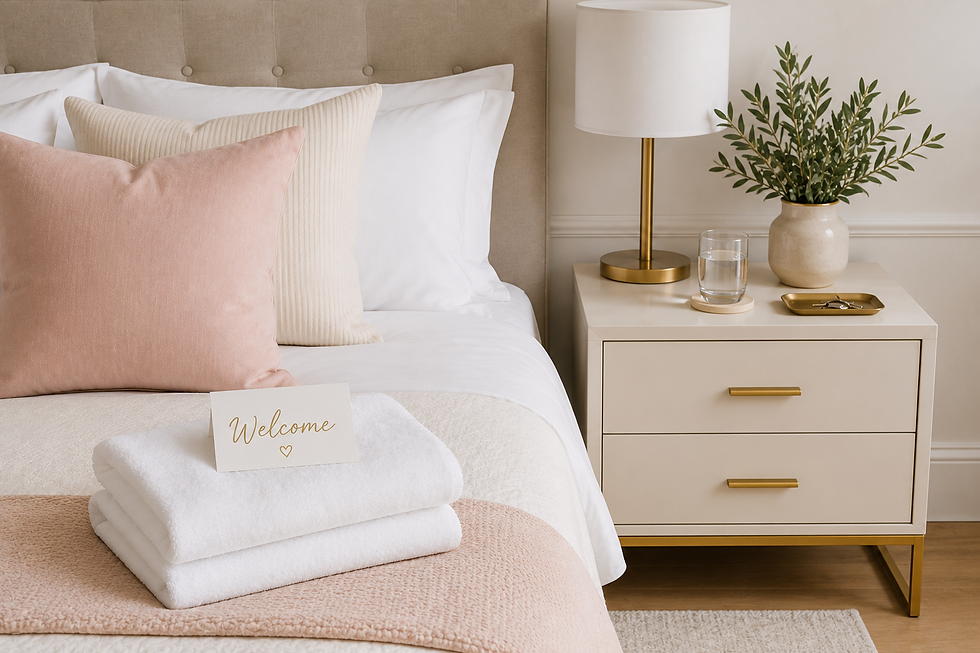
The two or three days around a visit are a quiet test of two people's grace. Whether you are the one arriving with a bag or the one making up the guest bed, a stay under the same roof asks something of both of you. And most of the visits that go sideways do not go sideways over anything dramatic. They go sideways over small, unspoken things that nobody thought to name.
So let's name them. Here is the whole art of houseguest etiquette, both sides of it, because a good visit is not one person's responsibility. It is a duet.
The Heart of Houseguest Etiquette
Underneath every rule I am about to give you is a single idea. A good visit is two people each quietly working to make the other one comfortable. The guest works not to be a burden. The host works to make the guest feel at home. When both people are doing their job, a visit is one of life's real pleasures. When one person forgets their half, it curdles fast, and usually in silence.
So here is each person's job.
The Guest's Job
Do not treat their home like your own. It is not. Ask before you help yourself to the kitchen, the laundry, or anything that is not obviously offered. Keep your belongings contained to the space they gave you, instead of letting your things creep across the whole house like a slow tide.
Match their rhythms, do not impose yours. You are a visitor in someone else's routine. If the house is quiet by ten, you are quiet by ten. If they are early risers, you tiptoe. Bend toward their normal rather than expecting them to bend toward yours.
Create less work, not more. This is the whole game for a guest. Offer to help with a meal, strip the bed before you leave, run the dishwasher, take everyone to dinner one night. A guest who leaves a little ease behind them gets invited back forever.
Do not overstay. Read the energy of the house. Know the difference between “stay as long as you like” said warmly and said politely. When in doubt, leave a day before you have worn out your welcome, not a day after.
The Host's Job
And here is the side people talk about far less, even though a struggling host can make a lovely guest feel awful. If you have offered someone your home, the job is real, and it is mostly about restraint.
Give them space, and actually mean it. When you give a guest a room, actually give it to them. A guest with no private corner is a guest who never gets to exhale. Do not keep wandering in. Do not keep your things stored in the bathroom you handed them. For the length of the visit, that space is theirs, and a good host protects it like a border.
Leave their small comforts alone. If your guest likes the fan on at night, or the lamp instead of the overhead, or the door open a crack, leave it the way they set it. Do not keep flipping it back to your preference and calling it habit. Undoing someone's small comfort, over and over, is a quiet way of telling them their needs do not count.
Let them do things their own way. Your way is not the only correct way to load a dishwasher, make the coffee, or fold a towel. A guest trying to help does not need a correction on their technique. They need a thank you.
Do not turn your guest into staff. A guest is not free labor. Do not hand them the dog leash, the grocery list, the dinner prep, and the cleanup as though they clocked in for a shift. If they offer, wonderful, accept it gracefully. But assigning your guest a to-do list is not hosting. It is staffing.
And if they do run to the store, let them. Do not send someone off on an errand and then blow up their phone with forty-seven separate texts, one item per message, each new demand landing as they reach the register. Write one list. Send it once. Trust the person to read it. The errand was a favor. Treat it like one.
What Both Jobs Have in Common
If you strip all of this down, guest and host, it comes to the same single skill: reading the room. Graciousness is really just paying attention to the other person's comfort instead of running on your own autopilot. The guest notices they are creating work and stops. The host notices their guest has gone quiet and gives them air. Almost every visit that sours could have been saved by one person noticing the other one a little sooner.
Try One This Week
If you have a visit coming up, pick your one job in advance. If you are the guest, decide on the one thing you will do to leave ease behind you, maybe you handle dinner one night. If you are the host, decide on the one comfort you will protect for them, maybe you leave their room entirely alone and let them set it up however they like. Just one, done on purpose. That is how graciousness becomes a habit instead of a mood.
This kind of everyday grace, being easy to host and lovely to visit, is the heart of what we teach at Poised & Proper, from the family skills in our Private Family Etiquette Experience to the modern-manners work I build for grown-ups. If you want the full version for your family, come find me.
Warmly,
Nicole


Comments